A Comprehensive Guide to How Lazada is Revolutionizing e-Commerce in Southeast Asia
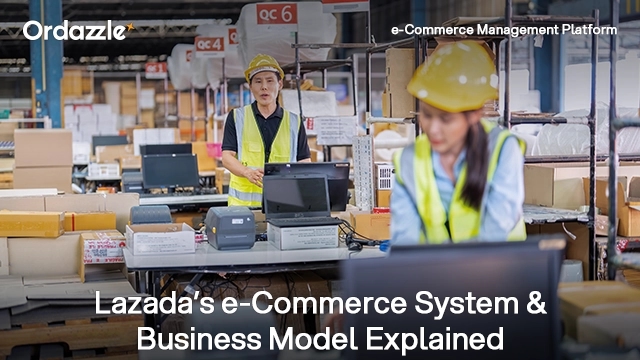
Southeast Asia has become one of the fastest-growing e-Commerce regions in the world, fueled by increasing internet penetration, smartphone adoption, and changing consumer shopping habits. As businesses and consumers continue to embrace digital commerce, e-Commerce marketplaces have become the foundation of the region's online retail ecosystem.
Among the biggest e-Commerce companies in the world operating in Southeast Asia, Lazada has established itself as a leading force. Through a localized approach, a mobile-first strategy, and a rapidly expanding seller ecosystem, Lazada has transformed the way businesses and consumers engage with online commerce across the region.
From cross-border commerce and digital payment innovation to advanced fulfillment operations and marketplace growth, Lazada continues to shape the future of e-Commerce management in Southeast Asia. In this guide, we explore Lazada's business model, marketplace strategy, revenue streams, and the key factors behind its continued success.
The Birth of Lazada Group and Its Evolution
Lazada Group was founded in 2012 by Rocket Internet with the goal of capturing the untapped potential of Southeast Asia's growing digital economy. By entering markets where online shopping adoption was still in its early stages, Lazada gained a significant first-mover advantage and quickly established itself as a trusted online shopping destination.
Initially operating as a business-to-consumer platform, Lazada expanded its model in 2013 to include third-party sellers, allowing brands and merchants to sell directly through its marketplace. This transition enabled the company to rapidly expand product variety while creating new opportunities for businesses across Southeast Asia.
A major turning point came in 2016 when Alibaba Group acquired a controlling stake in Lazada. The investment strengthened Lazada's technology infrastructure, logistics capabilities, and marketplace operations, accelerating its regional growth.
Today, Lazada operates across Singapore, Malaysia, Indonesia, Thailand, Vietnam, and the Philippines. The company has evolved from an online retailer into a comprehensive e-Commerce marketplace that connects millions of buyers and sellers while offering advanced logistics, payment services, and e-Commerce business solutions.
The Lazada Business Model
Lazada's success is rooted in its ability to adapt to local market conditions while maintaining a scalable regional strategy. Rather than implementing a one-size-fits-all approach, the company tailors its operations, payment methods, promotions, and customer experiences to suit individual markets.
Marketplace Model
At the core of Lazada's business model is its marketplace platform. Businesses can list products, manage inventory, fulfill orders, and connect with customers through a centralized digital ecosystem.
This marketplace approach allows Lazada to offer extensive product variety while minimizing inventory risks. It also creates opportunities for businesses of all sizes to participate in Southeast Asia's rapidly growing digital economy.
Seller Ecosystem
Lazada provides a comprehensive seller ecosystem designed to help merchants grow their online businesses. The platform offers:
- Seller onboarding and training
- Advertising and promotional tools
- Analytics and performance insights
- Fulfillment support services
- Customer engagement solutions
By enabling merchants with these capabilities, Lazada strengthens its marketplace while supporting long-term seller success.
Cross-Border Commerce
Cross-border commerce has become a major growth driver for Lazada. The platform enables merchants to expand beyond domestic markets and reach consumers across multiple Southeast Asian countries.
Lazada simplifies regional expansion by supporting localized languages, currencies, payment methods, and customer experiences. This allows businesses to access new markets without investing heavily in local infrastructure.
Cross-border commerce not only increases product variety but also creates new opportunities for international brands seeking access to Southeast Asia's rapidly growing consumer base.
Fulfillment Strategy
A key component of Lazada's growth strategy is its investment in logistics and fulfillment infrastructure.
Its fulfillment capabilities include:
- Multi-warehouse operations
- Regional fulfillment centers
- Automated order processing
- Last-mile delivery networks
- Reverse logistics management
- Real-time inventory visibility
These capabilities function similarly to a modern e-Commerce fulfillment system, helping sellers improve delivery speed, inventory accuracy, and customer satisfaction.
Mobile Commerce
Southeast Asia is one of the world's most mobile-first regions, making mobile commerce a critical part of Lazada's strategy.
The Lazada mobile application offers:
- Personalized product recommendations
- Mobile-exclusive promotions
- Seamless navigation
- One-click purchasing
- Real-time notifications
By optimizing the shopping experience for mobile users, Lazada continues to improve engagement, conversions, and customer retention.
Payment Ecosystem
One of Southeast Asia's biggest challenges is payment diversity. Consumer preferences vary significantly across countries, requiring flexible payment options.
Lazada supports:
- Digital wallets
- Credit and debit cards
- Buy Now Pay Later (BNPL)
- Mobile payments
- Cash-based alternatives in select markets
These options reduce checkout friction and improve accessibility for a broader customer base.
How Technology Powers Lazada's Growth
Technology plays a central role in Lazada's continued expansion and marketplace leadership.
- AI-Driven Recommendations
Artificial intelligence helps Lazada deliver personalized product recommendations based on user behavior, preferences, and shopping history. This improves product discovery while increasing conversion rates.
- Data Analytics and Consumer Insights
Lazada leverages advanced analytics to understand customer behavior, forecast demand, optimize pricing strategies, and improve overall marketplace performance.
- Automation and Operational Efficiency
Automation streamlines critical processes such as order management, inventory tracking, fulfillment operations, and customer support, helping businesses scale efficiently.
- Omni-channel Commerce Enablement
Lazada supports businesses seeking to connect online and offline shopping experiences, creating more consistent customer journeys across multiple channels.
- Marketplace Scalability
By investing in cloud-based infrastructure and platform innovation, Lazada ensures its marketplace can support millions of users, products, and transactions simultaneously.
Challenges Lazada Solved in Southeast Asia
Lazada's success is largely attributed to its ability to address unique challenges within the region.
- Logistics Fragmentation
Southeast Asia's geography presents significant delivery challenges. Lazada's logistics investments have improved delivery efficiency across urban and rural markets.
- Cross-Border Commerce Complexity
Different regulations, currencies, languages, and consumer expectations often create barriers to expansion. Lazada simplifies these complexities for merchants.
- Payment Diversity
The platform accommodates varying payment preferences through a broad range of payment solutions, increasing accessibility and conversion rates.
- Localization Challenges
Lazada customizes promotions, campaigns, languages, and customer experiences to meet the needs of individual market
- Mobile-First Consumer Behavior
The company's mobile-first strategy allows it to effectively engage consumers who primarily shop through smartphones.
Lazada's Marketplace Strategy
Lazada's marketplace strategy focuses on creating a scalable ecosystem for buyers and sellers. Key marketplace capabilities include:
- Multi-channel selling
- Seller onboarding programs
- Inventory synchronization
- Marketplace integrations
- Centralized order management
- Product catalog management
These capabilities support efficient e-Commerce management while helping businesses scale across multiple markets.
Lazada's Revenue Model
Lazada generates revenue through multiple channels, creating a diversified and sustainable business model.
- Marketplace Commissions
The platform earns commissions from transactions completed through its marketplace.
- Advertising Revenue
Brands and sellers can purchase advertising placements to increase visibility and sales.
- Seller Services
Lazada offers fulfillment, marketing, analytics, and business support services to merchants.
- Fintech Solutions
Financial services and payment solutions create additional revenue streams while enhancing the customer experience.
Grocery and Delivery Services
Through strategic acquisitions and partnerships, Lazada has expanded into online grocery and specialized delivery services.
Key Takeaways
Lazada's rise as one of Southeast Asia's leading e-Commerce marketplaces is the result of strategic localization, strong logistics infrastructure, mobile-first innovation, advanced payment solutions, and a commitment to continuous technological improvement.
By addressing regional challenges and empowering merchants through scalable e-Commerce business solutions, Lazada has built a marketplace ecosystem that continues to drive growth across Southeast Asia.
How Ordazzle Supports Marketplace Growth
As e-Commerce marketplaces continue to evolve, businesses need scalable technologies to manage inventory, orders, fulfillment, and cross-border operations efficiently.
Whether you're expanding into new markets or optimizing existing marketplace operations, the right e-Commerce business solutions can help streamline processes, improve customer experiences, and accelerate growth.
Ordazzle empowers businesses with the tools needed for inventory synchronization, centralized operations, marketplace management, and regional expansion, helping brands build sustainable growth in an increasingly competitive e-Commerce landscape.
Want to know more? Let’s connect!