The Festive Sale Is Over. The Returns Are Just Beginning: How e-Commerce Brands Can Prepare
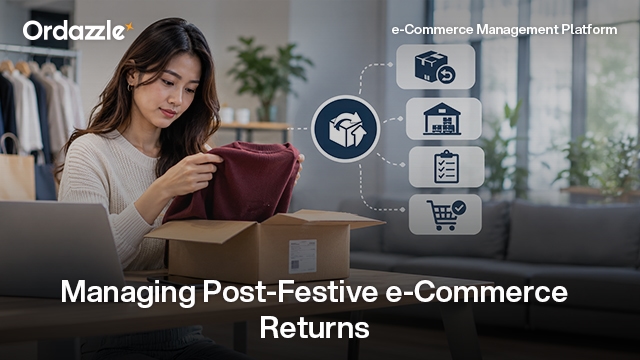
The festive sale may have delivered record order volumes, but for e-Commerce businesses, the operational rush does not end with the last dispatch. In the days and weeks that follow, another wave of activity begins: customer returns, delivery rejections, exchanges and return-to-origin (RTO) shipments.
Products that were once moving out of warehouses now begin coming back. Teams must track incoming returns, inspect products, update inventory, coordinate refunds or replacements and decide whether returned items can be sold again.
For businesses selling across marketplaces and webstores, this can quickly become difficult to manage. Return requests may originate from different channels, shipments may involve multiple logistics partners, and warehouse teams need accurate information before they can process returned stock.
The challenge is not simply receiving returned products. It is managing the entire journey from the return request to the final inventory decision.
A connected approach to order management, warehouse management and reverse logistics can help e-Commerce brands prepare for this post-sale workload.
Why Post-Festive Returns Need as Much Attention as Outbound Orders
Festive campaigns often encourage customers to purchase more, try new products and take advantage of limited-period offers. Higher order volumes naturally create more opportunities for returns.
Several factors contribute to the increase:
- Size and fit issues: Apparel and footwear purchases may be returned when products do not meet customer expectations.
- Product mismatches: Customers may receive products that differ from what they expected based on the listing or product description.
- Duplicate purchases: Customers sometimes order multiple variants or quantities and return the items they do not want to keep.
- Delivery rejections: Customers may refuse deliveries because of delays, changed requirements or unsuccessful delivery attempts.
- Damaged or incorrect products: Items that arrive damaged or do not match the order may require replacement or return processing.
These situations create different operational requirements. A customer-initiated return, for example, may need approval and pickup coordination. An RTO shipment follows a different path because the delivery was unsuccessful or rejected.
Treating every returned shipment as the same type of transaction can create confusion. Brands need visibility into why an item is coming back, where it is in the process and what needs to happen next.
The Biggest Challenges in Managing e-Commerce Returns
1. Tracking Returns Across Multiple Sales Channels
When orders come from several marketplaces and webstores, return information can be spread across different systems and dashboards.
Operations teams may need to check individual platforms to understand which orders have return requests, whether a pickup has been initiated or if a returned shipment has reached the warehouse.
Without a centralised view, return requests can be missed, updates can be delayed and customer communication becomes difficult.
A connected e-Commerce order management system helps centralise order information and coordinate return-related workflows across sales channels.
2. Coordinating Returned Shipments Across Logistics Partners
Once a return is approved, the product must make its way back through the logistics network. This requires coordination between the business, the customer, the carrier and the receiving warehouse.
For brands working with multiple logistics partners, tracking these movements can become complicated. Shipment updates may be available across different carrier platforms, making it harder for teams to identify delays or follow up on pending returns.
A structured reverse logistics process helps businesses monitor returned shipments and maintain visibility over their movement.
3. Delays in Warehouse Inspection and Processing
A returned product cannot automatically be added back to sellable inventory.
Warehouse teams first need to receive the item, identify the original order and inspect its condition. Depending on the product and return reason, it may need to be restocked, repaired, repackaged, quarantined or classified as unsellable.
If these checks are handled manually or without clear workflows, returned products can remain unprocessed for days.
This affects inventory accuracy and can delay the availability of products that are otherwise suitable for resale.
4. Inventory Mismatches and Delayed Restocking
A product may have physically arrived at the warehouse without its inventory status being updated.
This creates a gap between what the warehouse holds and what the e-Commerce business shows as available for sale. Making products available too early can result in orders for items that have not passed inspection. Delaying updates unnecessarily can keep sellable inventory unavailable.
Brands need a clear process for updating stock based on the outcome of return inspections.
How OMS, WMS and Reverse Logistics Work Together
Managing post-festive returns requires coordination across multiple stages. An Order Management System (OMS), Warehouse Management System (WMS) and logistics management processes each play a distinct role.
1. OMS: Bring Return Requests and Order Information Together
The OMS provides the operational connection between the original order and its return.
When a customer initiates a return, the business needs access to the order details, sales channel, product information and return status. This information helps teams understand which item is being returned and coordinate the next steps.
An e-Commerce OMS can support this process through:
- Centralised order information across sales channels.
- Return and cancellation management.
- Return-related workflows and quality-check coordination.
- Order and inventory updates following return processing.
- Visibility into return-related reports and operational exceptions.
For example, if a customer requests a return for an item purchased through a marketplace, the operations team needs to identify the original order and track the return without manually piecing together information from multiple systems.
Ordazzle's Order Management System supports order returns and cancellations, reverse logistics workflows, quality checks and automatic stock updates for returns and cancellations.
2. Logistics Management: Maintain Visibility Over Returned Shipments
After a return is initiated, the shipment needs to move through the logistics network and reach the appropriate receiving location.
A logistics management system helps businesses coordinate carrier-related operations and track shipment progress across logistics partners.
Key areas to manage include:
- Carrier coordination and shipment tracking.
- Visibility into order and delivery statuses.
- Shipping labels and manifest management.
- Monitoring shipments across multiple carriers and marketplaces.
- Identifying delays that require operational attention.
Ordazzle's Integrated Logistics Management System provides connectivity with 60+ shipping partners, along with centralised access to shipping labels, manifests and shipment tracking across multiple carriers.
For post-sale operations, this kind of logistics visibility can help teams keep track of shipments moving through the network. The specific reverse-pickup process should also be aligned with the business's carrier arrangements and return policies.
3. WMS: Inspect, Process and Restock Returned Products
The warehouse is where the physical return becomes an inventory decision.
When a returned product arrives, warehouse teams need to identify it, record its receipt and assess its condition. The product can then be assigned an appropriate disposition.
A typical returns workflow includes:
Step 1: Receive the returned item
Match the incoming product with its order and return information. Record its receipt at the warehouse.
Step 2: Conduct a quality check
Inspect the product for damage, missing components, signs of use or packaging issues. The inspection should follow the business's product-specific return criteria.
Step 3: Decide the product's next destination
Based on the inspection, classify the item for:
- Restocking as sellable inventory.
- Repackaging or refurbishment, where applicable.
- Further inspection or quarantine.
- Supplier return or disposal, depending on business policy.
Step 4: Update inventory
Once the inspection and disposition are complete, update the inventory status so that the product's availability accurately reflects its condition.
Ordazzle's Warehouse Management System supports inbound and returns handling through mobile-driven receiving and putaway workflows, quality checks and restocking processes. It also provides visibility into inventory across warehouse zones, bins and racks.
This helps warehouse teams manage returned products as part of their wider warehouse operations rather than treating them as disconnected transactions.
 Five Ways e-Commerce Brands Can Prepare for the Post-Festive Returns Rush
Technology can improve coordination, but businesses also need clear operational processes. These five steps can help teams prepare before return volumes begin to build.
1. Review Return Policies Before the Sale Ends
Make sure customers and internal teams understand the return window, eligibility criteria, required documentation and refund or exchange conditions.
Clear policies reduce confusion and help customer service teams handle requests consistently.
2. Separate Customer Returns from RTO Shipments
Customer-initiated returns and RTO shipments should be tracked separately.
A customer return generally begins after delivery, while an RTO occurs when an order does not reach the customer and is sent back. The reasons, tracking requirements and inventory treatment can differ.
Separating these workflows helps teams identify recurring problems and make more informed operational decisions.
3. Plan Warehouse Capacity for Incoming Returns
Warehouses that have been focused on outbound festive orders may need additional capacity for incoming products.
Businesses should plan receiving space, inspection stations, temporary storage and staff allocation to prevent returned items from accumulating in processing areas.
4. Establish Clear Quality-Check and Restocking Rules
Not every returned product should follow the same inspection process.
Define product-specific quality criteria and establish who can approve an item's return to sellable inventory. Clear disposition rules help reduce processing delays and prevent unsuitable products from being listed as available.
5. Monitor Return Patterns and Reasons
Return data can reveal issues that go beyond warehouse operations.
For example, repeated returns of a particular product may point to inaccurate product descriptions, sizing concerns, packaging issues or fulfilment errors.
Reviewing return reasons, product categories, sales channels and RTO patterns can help businesses identify recurring problems and improve future campaigns.
Turn Post-Sale Returns into a More Connected Operation with Ordazzle
The period after a festive sale puts e-Commerce operations to another test. Brands must manage incoming returns while continuing to process new orders, maintain inventory accuracy and meet customer expectations.
Doing this efficiently requires coordination between order processing, logistics and warehouse teams.
Ordazzle brings these operational areas together through its e-Commerce Management Platform:
- Order Management System: Centralises order processing and supports returns, cancellations, quality checks and stock updates.
- Integrated Logistics Management System: Connects shipping partners and provides centralised shipment tracking, labels and manifests.
- Warehouse Management System: Supports warehouse receiving, returns handling, quality checks, restocking and inventory control.
By connecting these workflows, businesses can improve visibility across the returns process and make better-informed decisions about returned inventory.
The festive sale may be over, but the next operational priority has already arrived. With the right systems and processes in place, e-Commerce brands can manage the returns cycle with greater control and prepare their inventory for the next wave of orders.
Explore how Ordazzle helps e-Commerce businesses connect order, warehouse and logistics operations. Book a demo!
Common Questions e-Commerce Leaders Ask
1. Why do e-Commerce returns increase after festive sales?
Festive sales often lead to higher purchase volumes, including impulse purchases, multiple product orders and purchases made during limited-period offers. After delivery, customers may return products due to sizing issues, incorrect expectations, damaged items, duplicate purchases or changed requirements. This creates an additional workload for e-Commerce and warehouse teams.
2. How can e-Commerce businesses manage returns after a festive sale?
Businesses should establish a structured returns process that covers return requests, shipment tracking, warehouse receiving, product inspection and inventory updates. Using connected OMS, WMS and logistics management systems can help coordinate these activities and improve visibility across the returns cycle.
3. What is the role of an Order Management System (OMS) in e-Commerce returns?
An OMS helps businesses connect return-related activities with the original order information. It supports visibility into order details, return and cancellation workflows, quality checks and inventory updates, helping teams coordinate returns across multiple sales channels.
4. How does a Warehouse Management System (WMS) help process returned products?
A WMS helps warehouse teams receive returned products, record their arrival, conduct quality checks and determine their next inventory status. Depending on the product's condition, it can be directed for restocking, further inspection, repackaging or other handling according to business policies.
5. What is reverse logistics in e-Commerce?
Reverse logistics refers to the movement of products from customers back to sellers, warehouses or other designated locations. It includes return pickup, shipment tracking, receiving, inspection and determining the next destination of returned products.
6. What is the difference between an e-Commerce return and Return to Origin (RTO)?
An e-Commerce return generally happens when a customer receives an order and subsequently requests to send it back. RTO occurs when an order cannot be delivered or is refused by the customer and is sent back to the seller. Both require reverse movement of goods, but their triggers and processing workflows differ.
7. How can businesses make returned inventory available for resale faster?
Businesses can reduce processing delays by establishing clear inspection criteria, allocating warehouse resources for incoming returns and updating inventory as soon as a product's condition and disposition are confirmed. Connected OMS and WMS workflows can help improve coordination between order information and physical stock.
8. How can e-Commerce brands improve visibility across the returns process?
Brands can connect order management, logistics and warehouse operations to track returns from initiation through shipment and warehouse processing. Centralised order information, carrier tracking and accurate inventory updates help teams identify delays and manage returned products more efficiently.